

Rubik's Cube Workshop
Conducted at IACG Multimedia College | Mentored by Sreeharsha
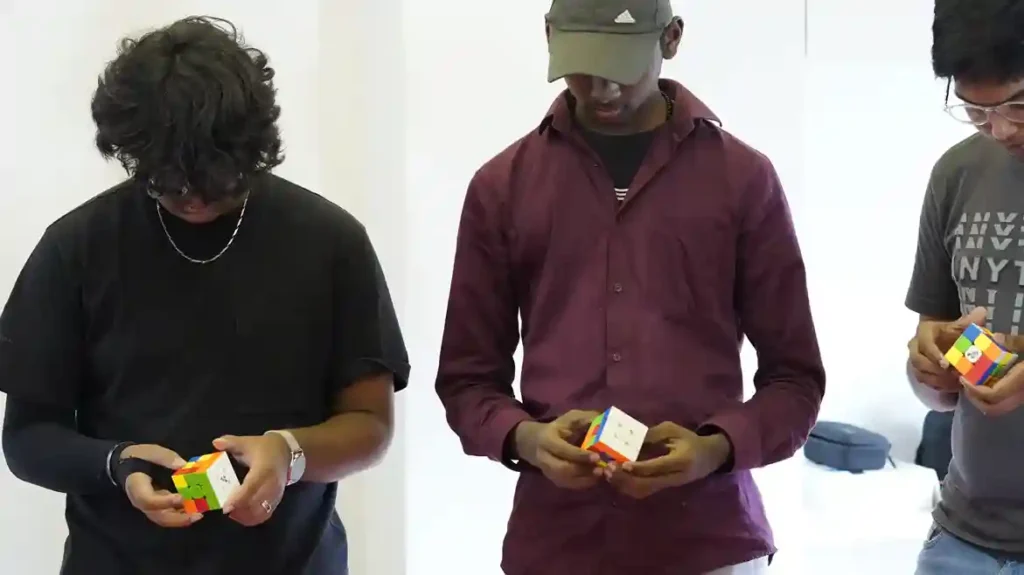
Transforming Complexity into Logical Problem-Solving
The Rubik’s Cube Workshop introduced students to the fascinating world of cubing, transforming what seems like a complex puzzle into a simple, logical, and enjoyable problem-solving experience. Participants learned the fundamentals of how the cube works, how to read cube notation, and how to solve it step-by-step using the beginner-friendly method.
The session encouraged focus, memory, and pattern recognition—skills valuable beyond the puzzle itself.
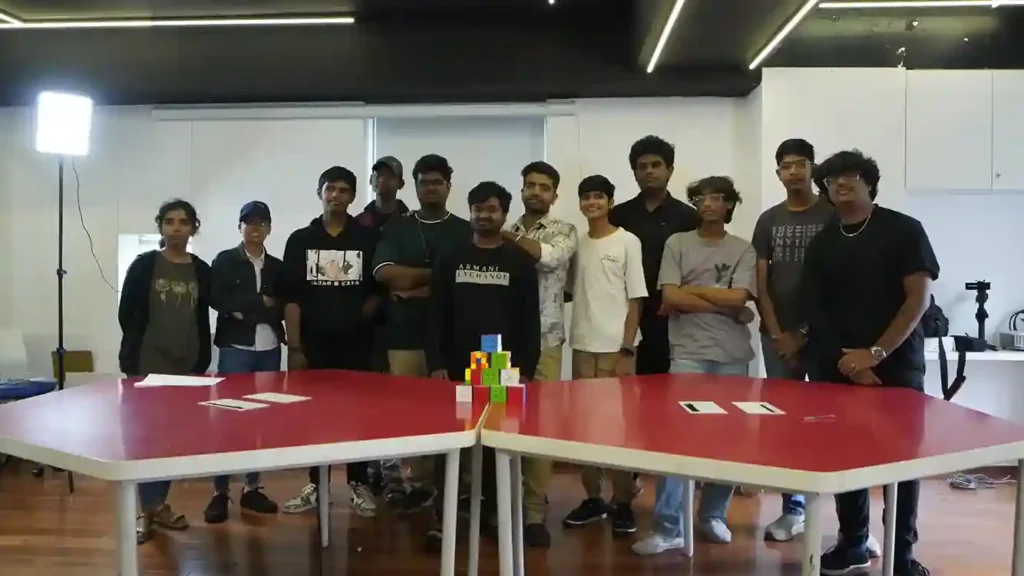
Workshop Overview
Key Concepts Covered
Introduction to the Rubik's Cube
Students first explored the basic structure of the cube: Centers (fixed pieces), Edges (two-colored pieces), and Corners (three-colored pieces). They also learned why using a speed cube makes solving smoother, easier, and faster—especially for beginners.
The Language of Cubing
Participants were introduced to the universal notation system used by cubers worldwide, including: F (Front), R (Right), U (Up), L (Left), B (Back), and D (Down). Understanding this notation helped students follow algorithms and guides with ease.
The Beginner's Method
The workshop focused on the classic, beginner-friendly layer-by-layer method, breaking the cube into clear, achievable steps: Step 1: Create the White Cross - Students learned how to align the white edges with their correct centers. Step 2: Solve the First Two Layers (F2L) - They practiced inserting corners and edges to complete the bottom and middle layers. Step 3: Solve the Final Layer - Students learned simple algorithms to orient and position the final yellow pieces, completing the cube.
Highlights & Student Experience
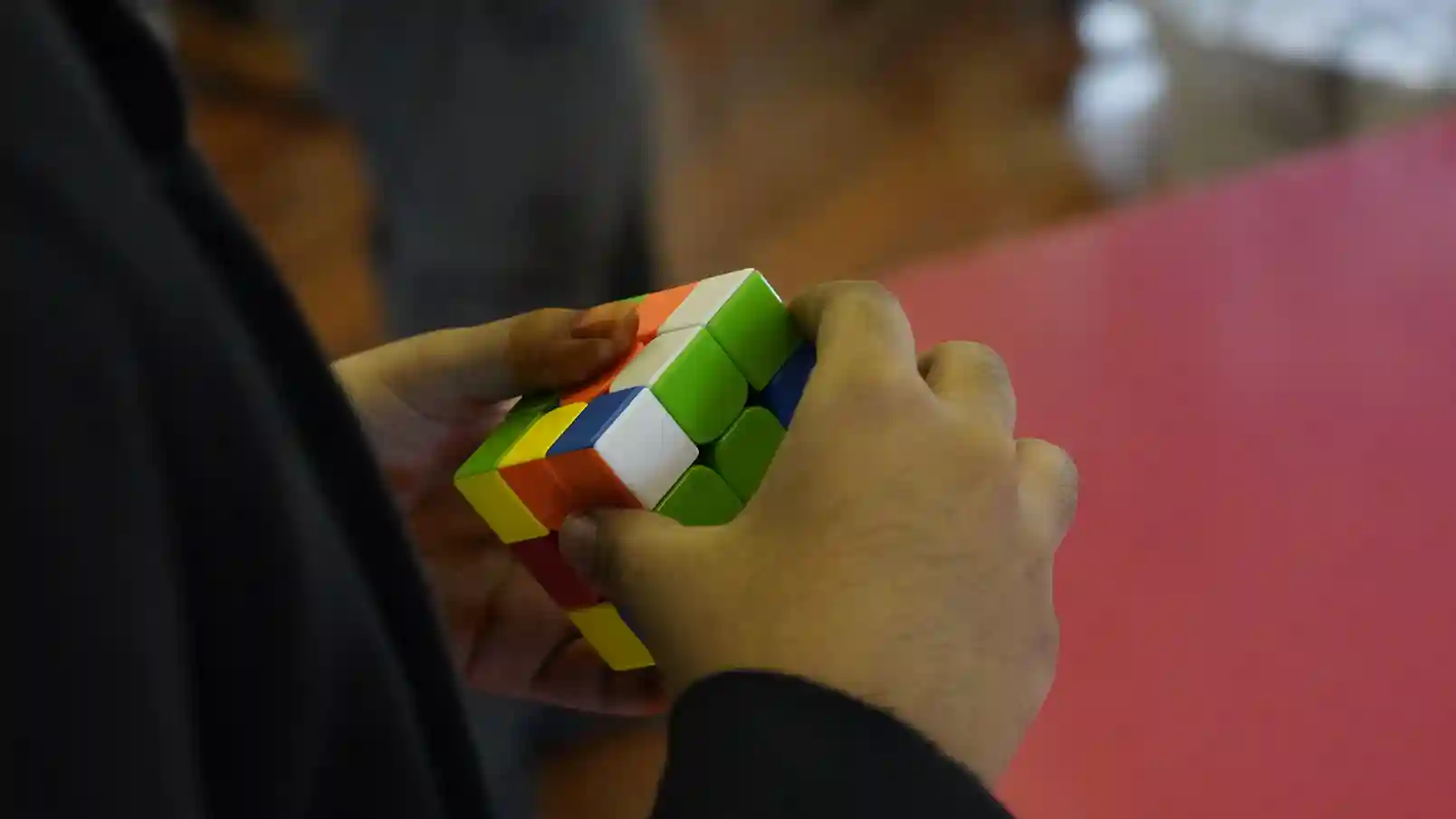
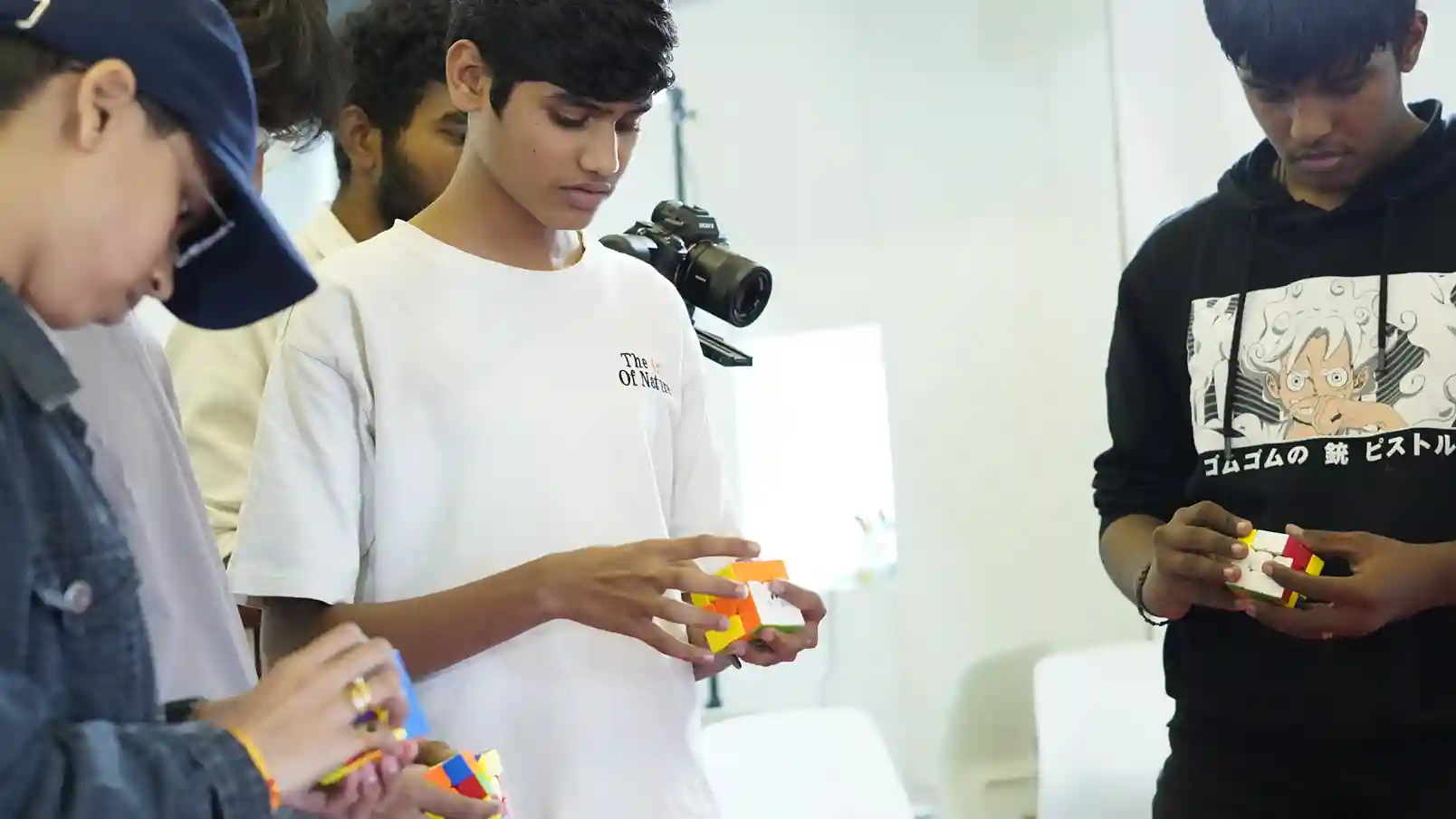
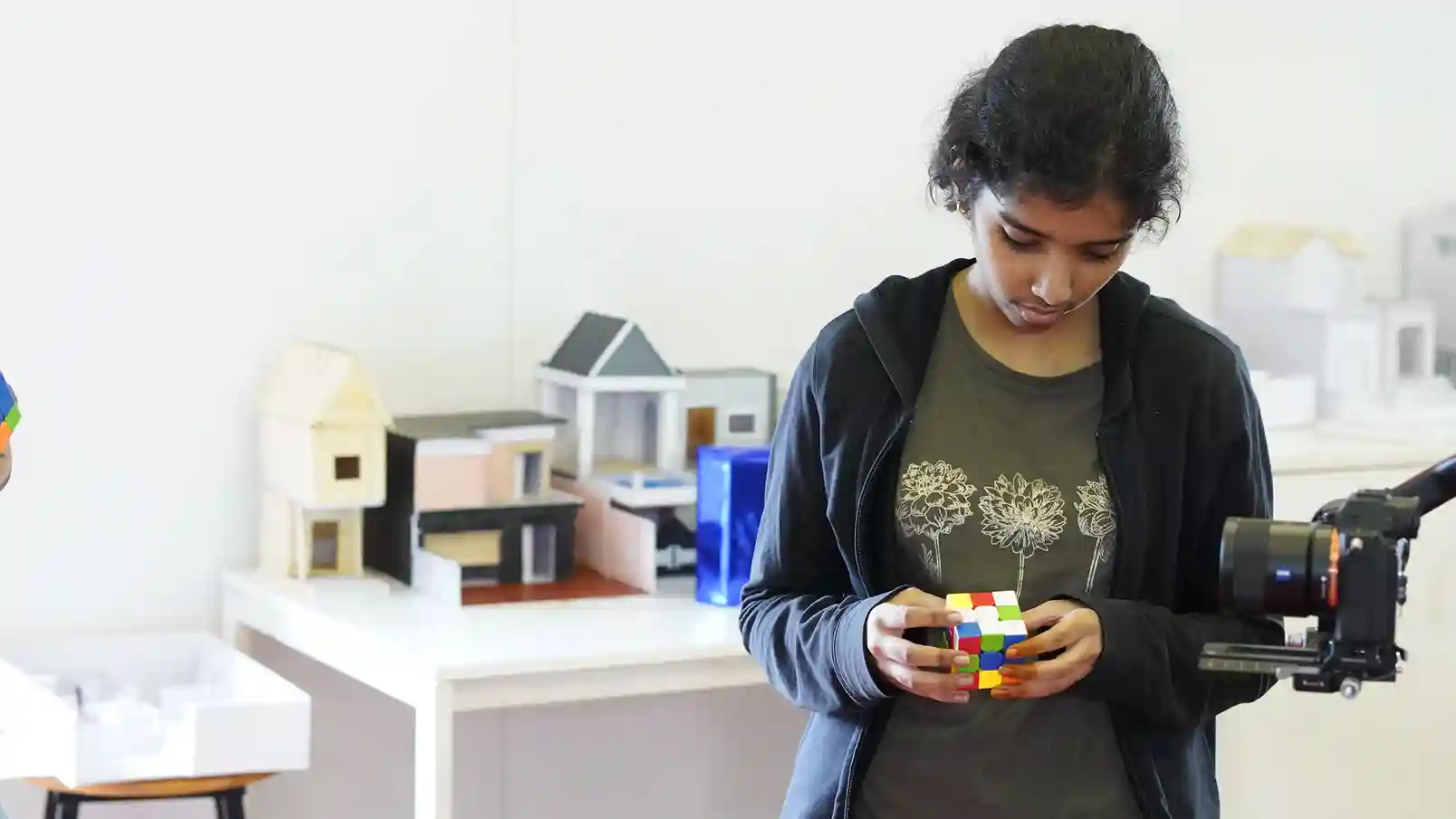
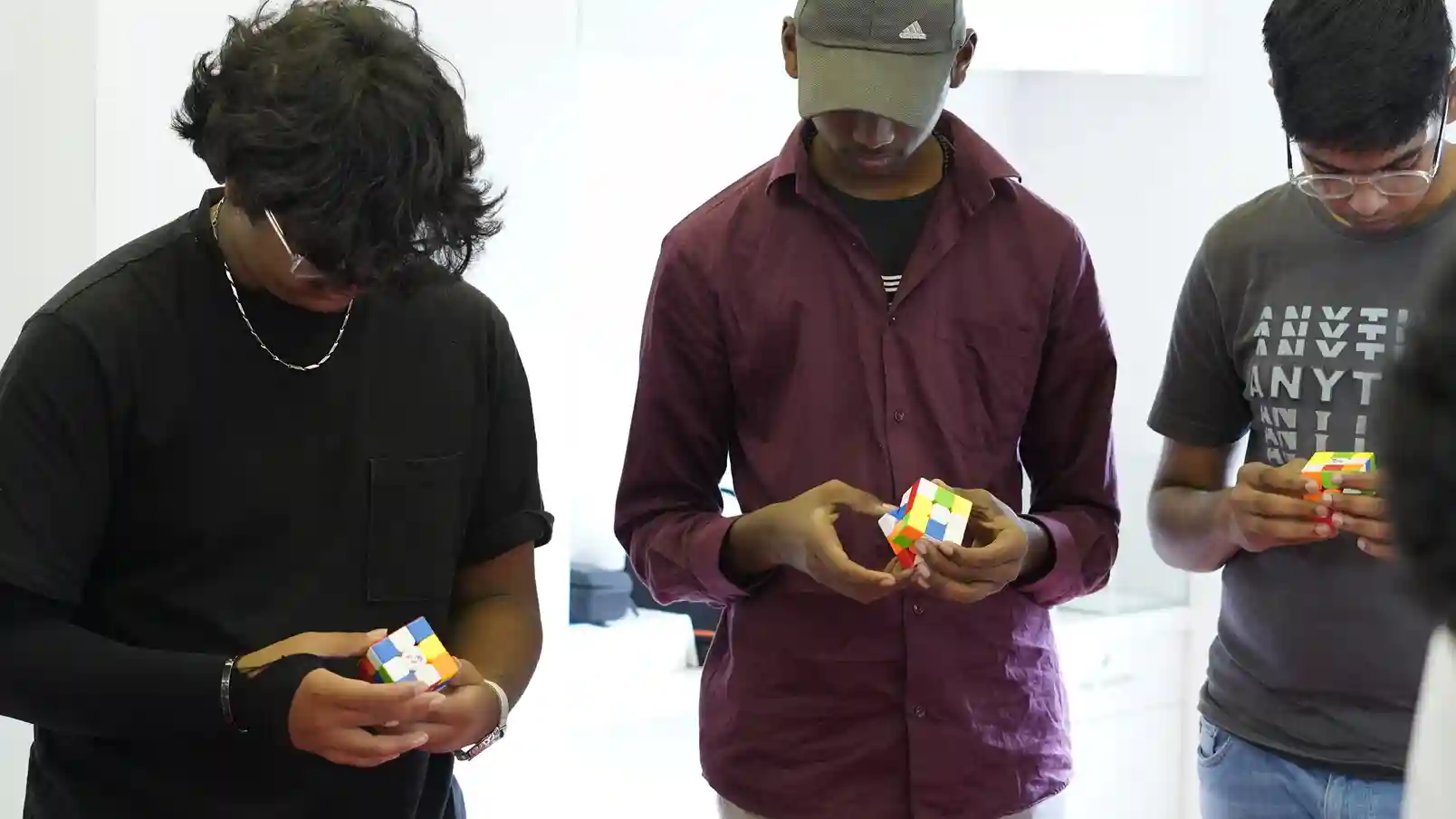
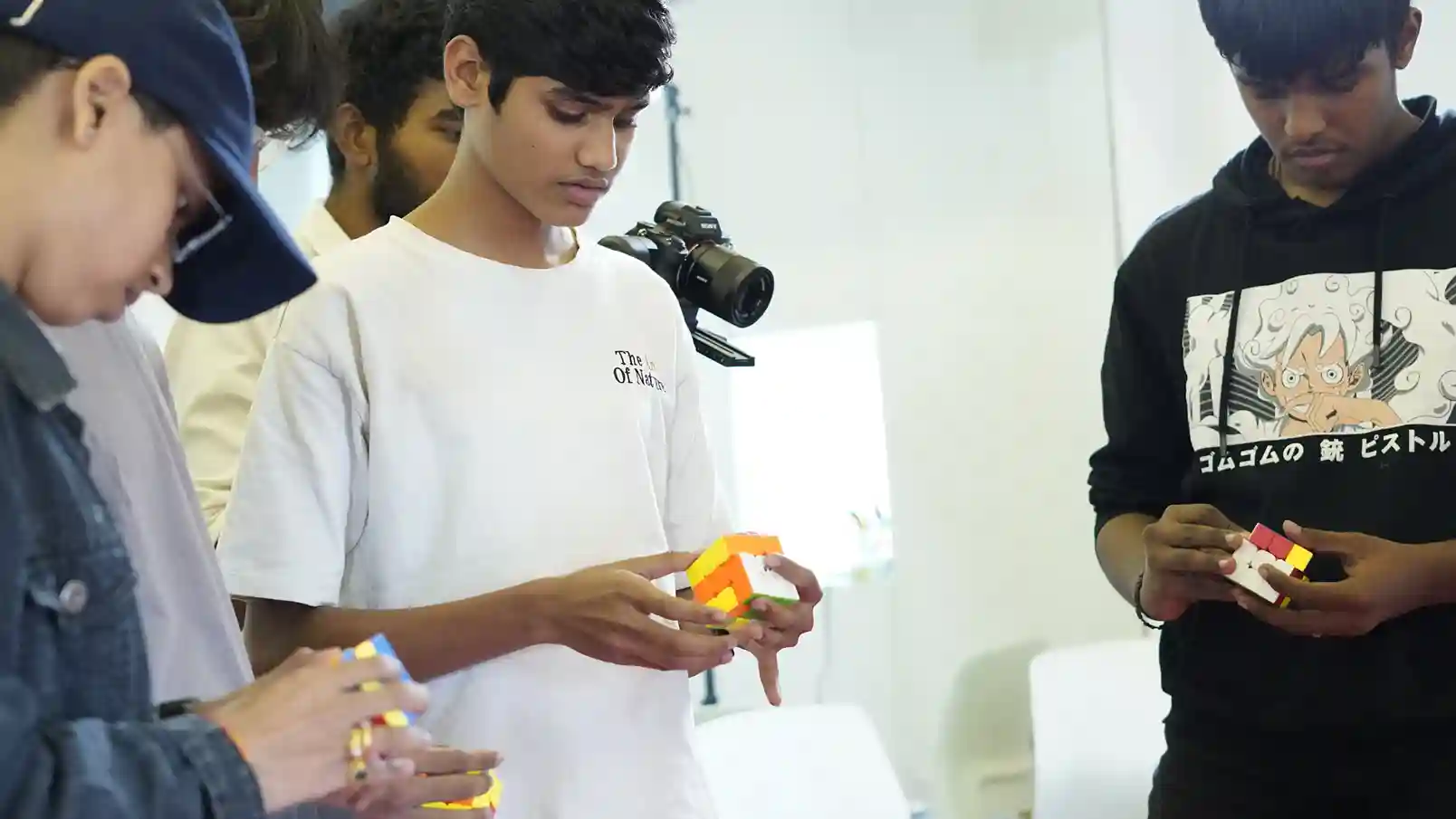
Step-by-step solving moments
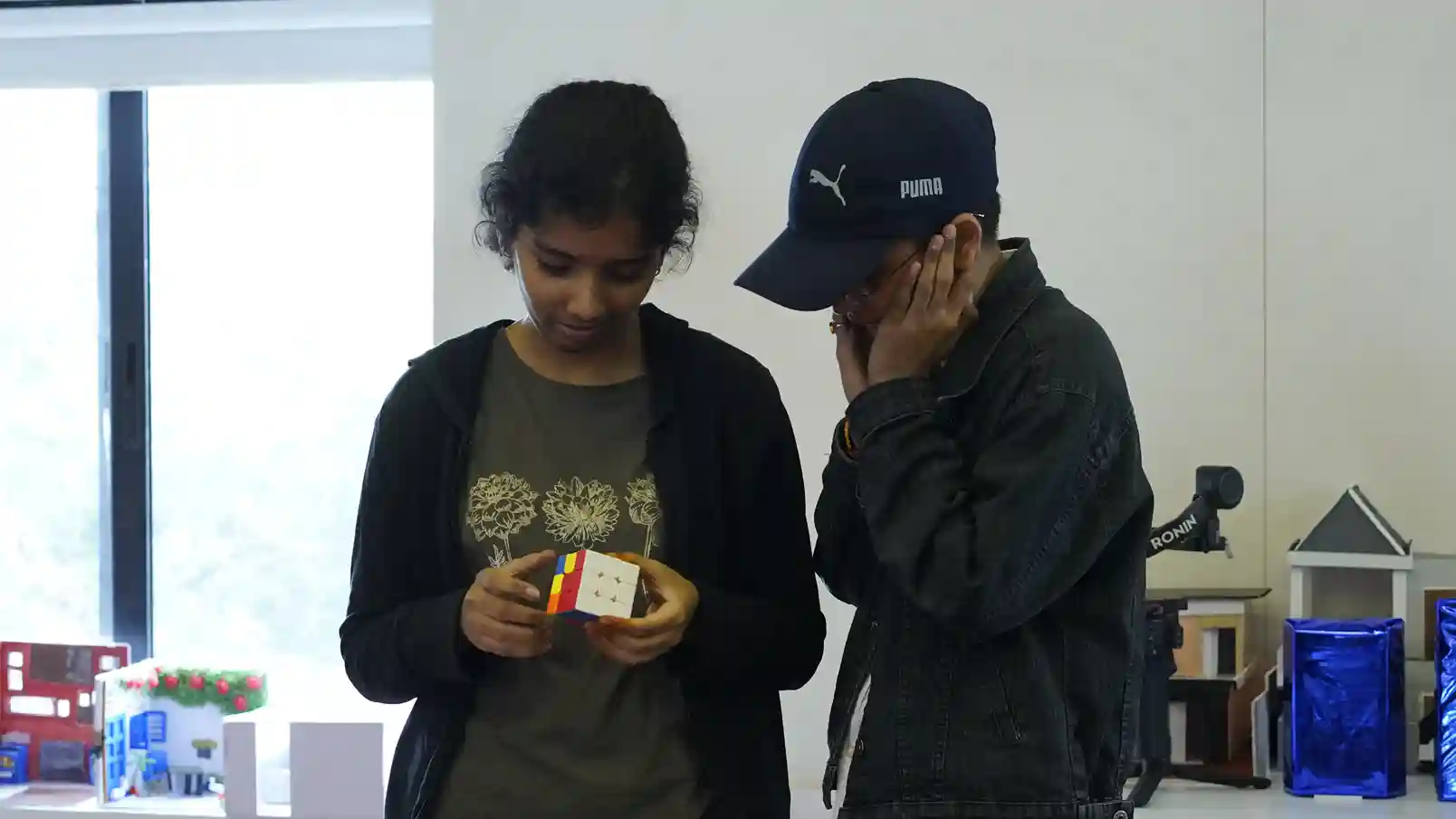
Colorful cube patterns
- Understand the cube's basic structure
- Read and follow cubing notation confidently
- Solve the Rubik's Cube using the beginner's method
- Recognize patterns that help simplify solution steps
- Improve focus, logic, and memory through structured solving techniques
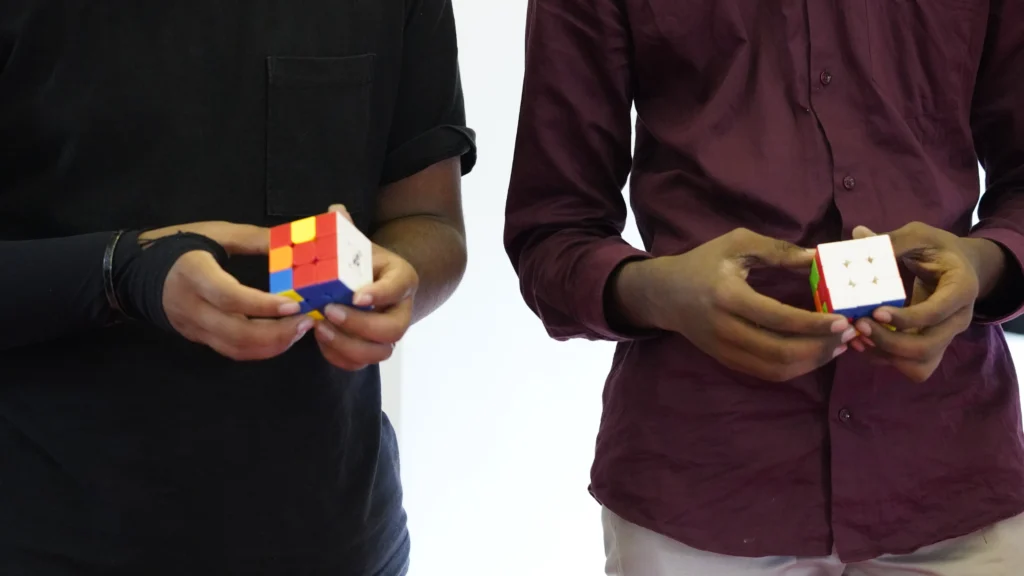
Key Student Learnings
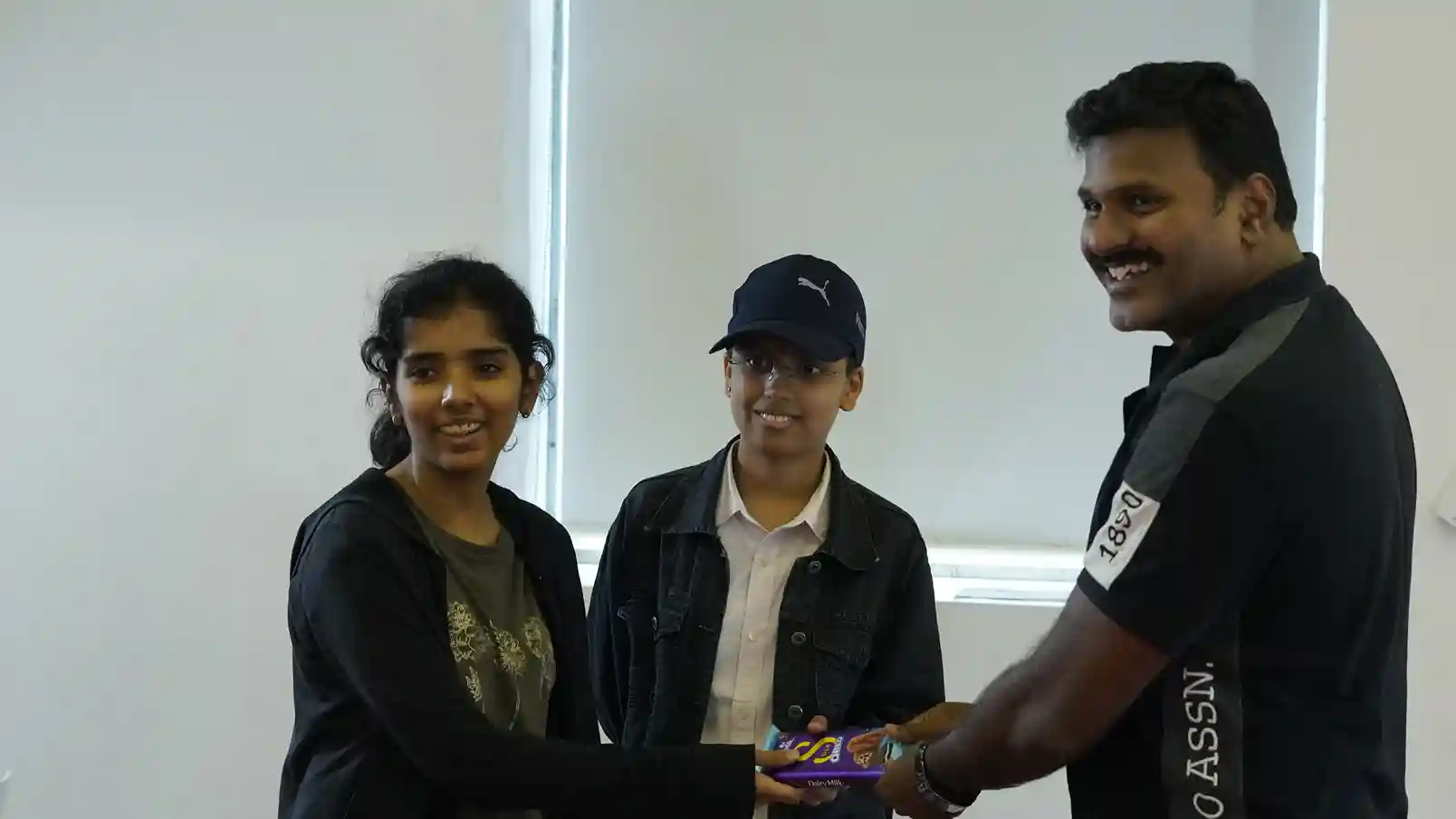
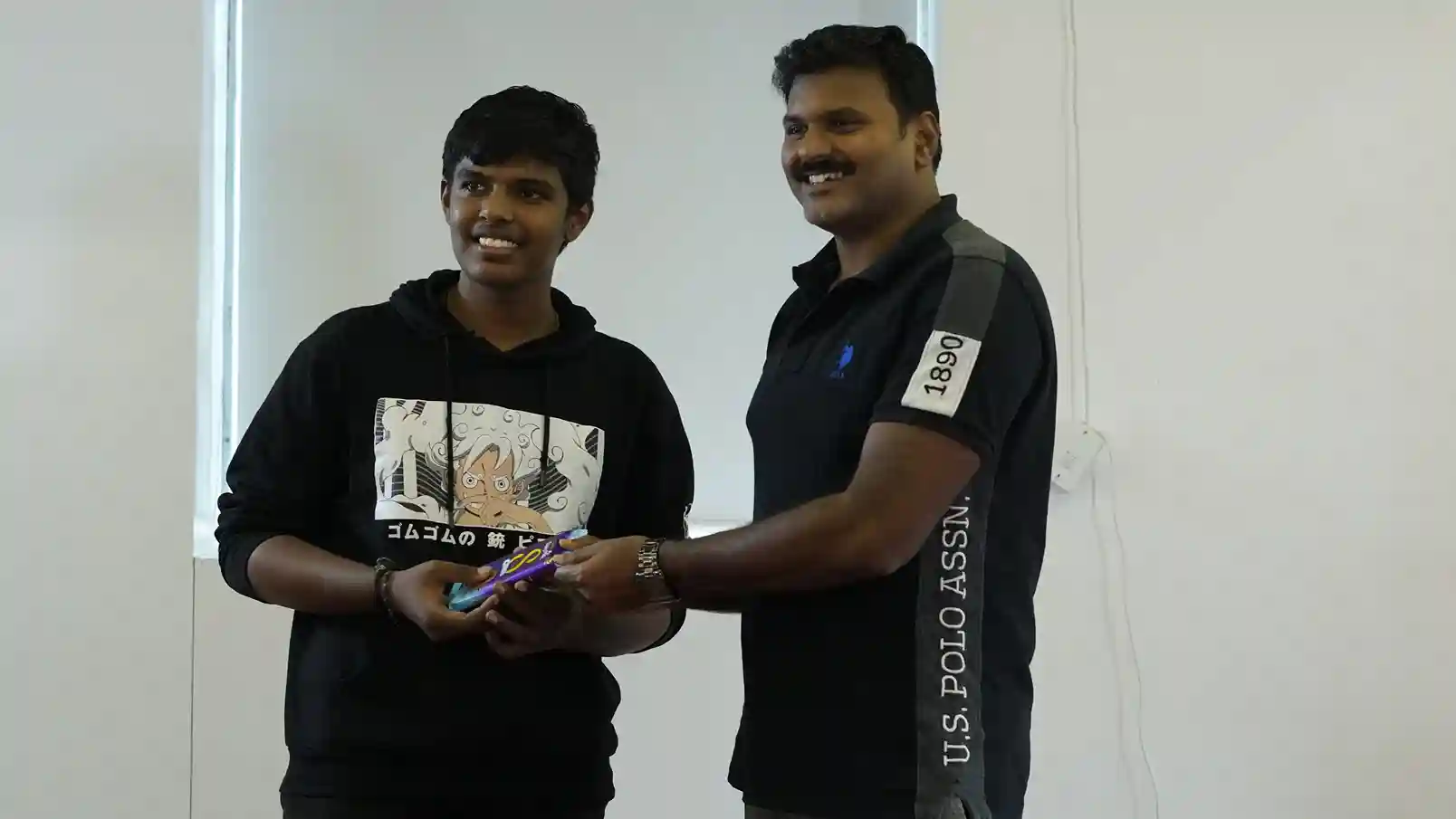
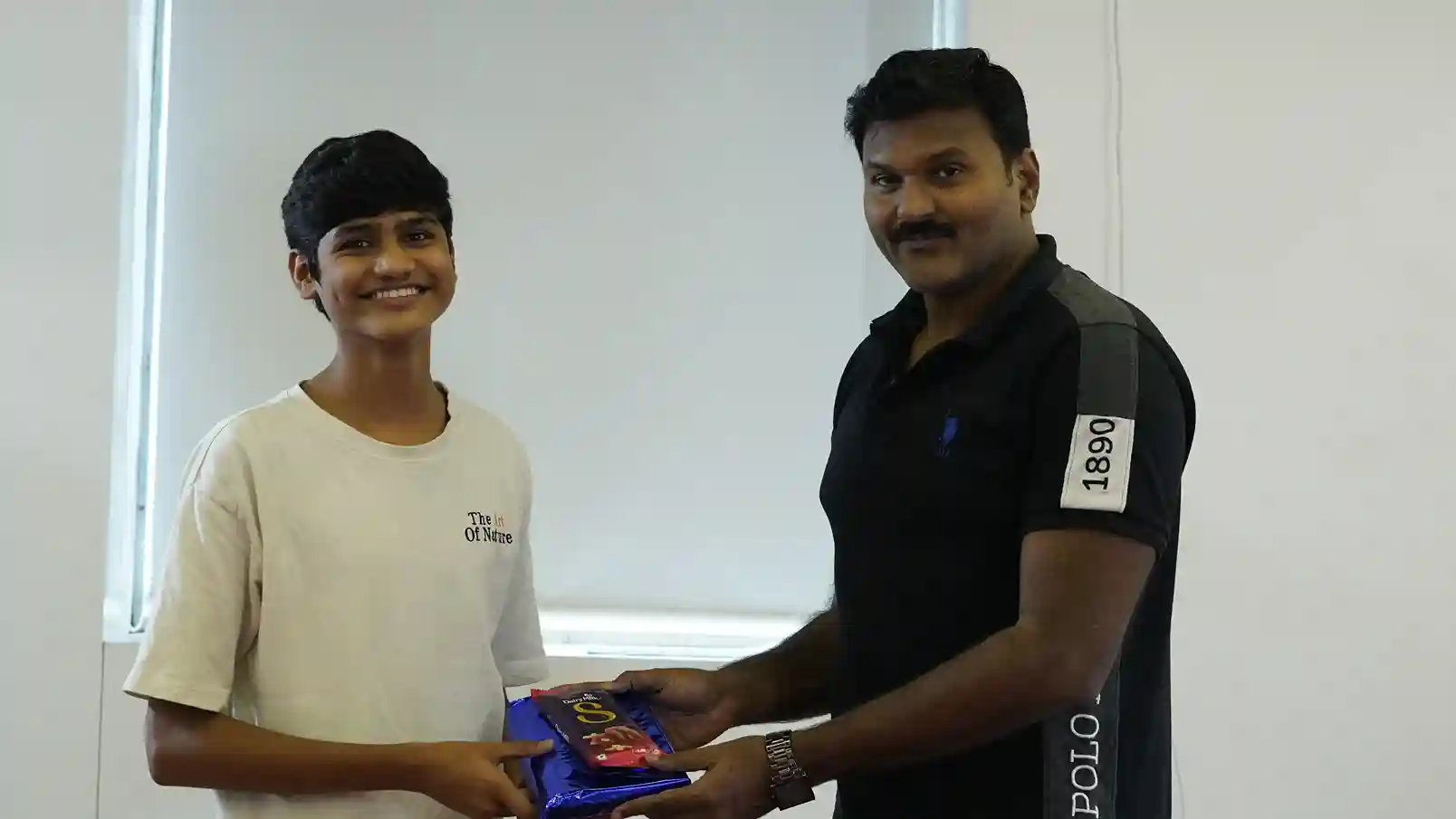
Workshop Gallery






About the Mentors
Sreeharsha
A passionate cubing enthusiast and skilled problem-solver, Sreeharsha specializes in teaching the beginner's method for solving the Rubik's Cube. With a patient and structured approach, Sreeharsha guides students through cube notation, layer-by-layer techniques, and pattern recognition, helping them build both confidence and speed in solving this iconic puzzle.
Why This Workshop Mattered
Problem-Solving Mastery
Pattern Recognition Skills
Focus & Memory Enhancement